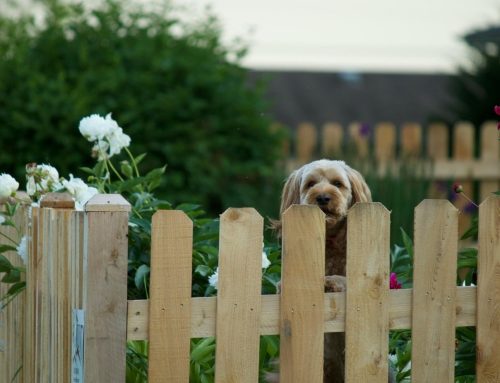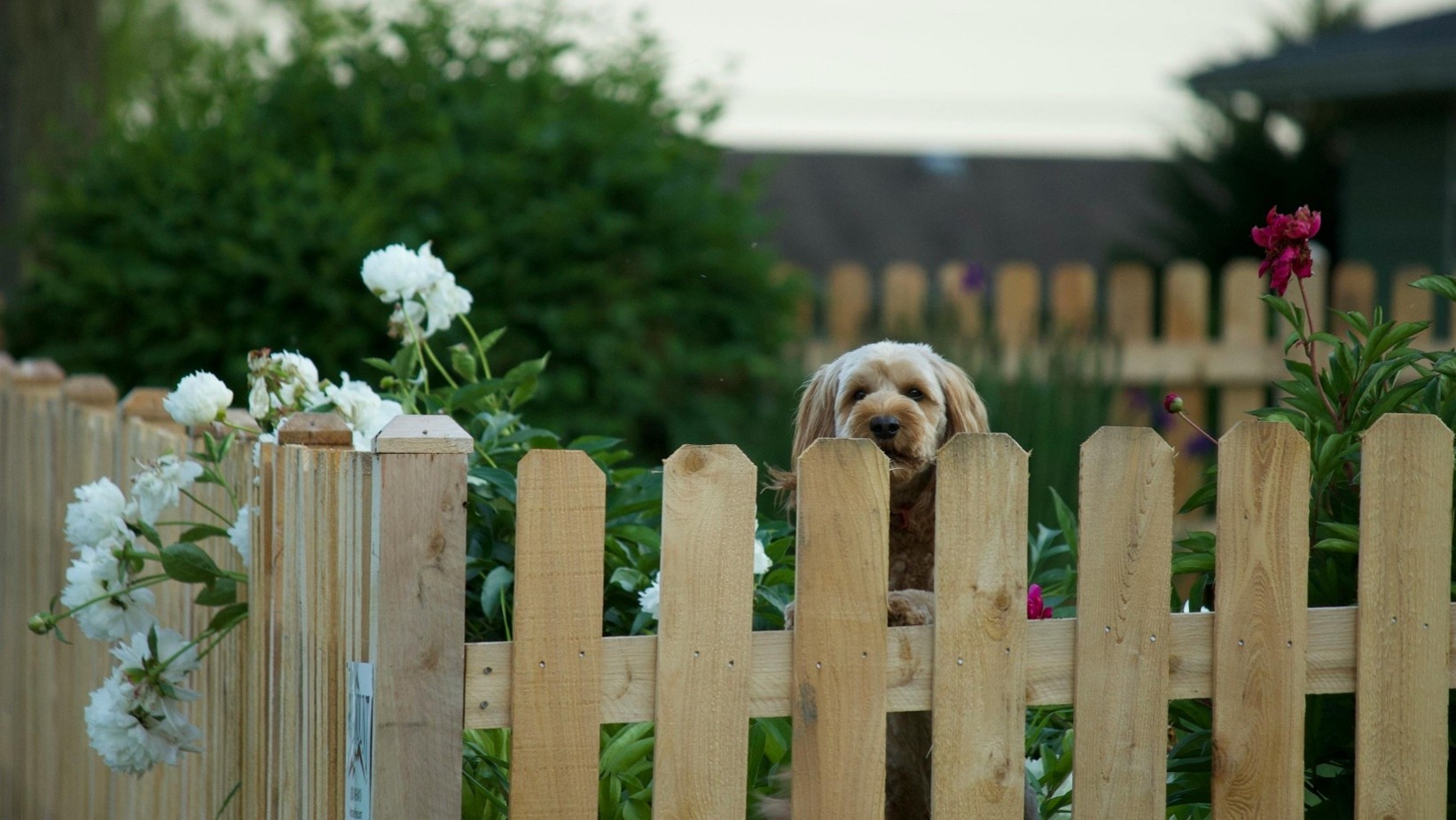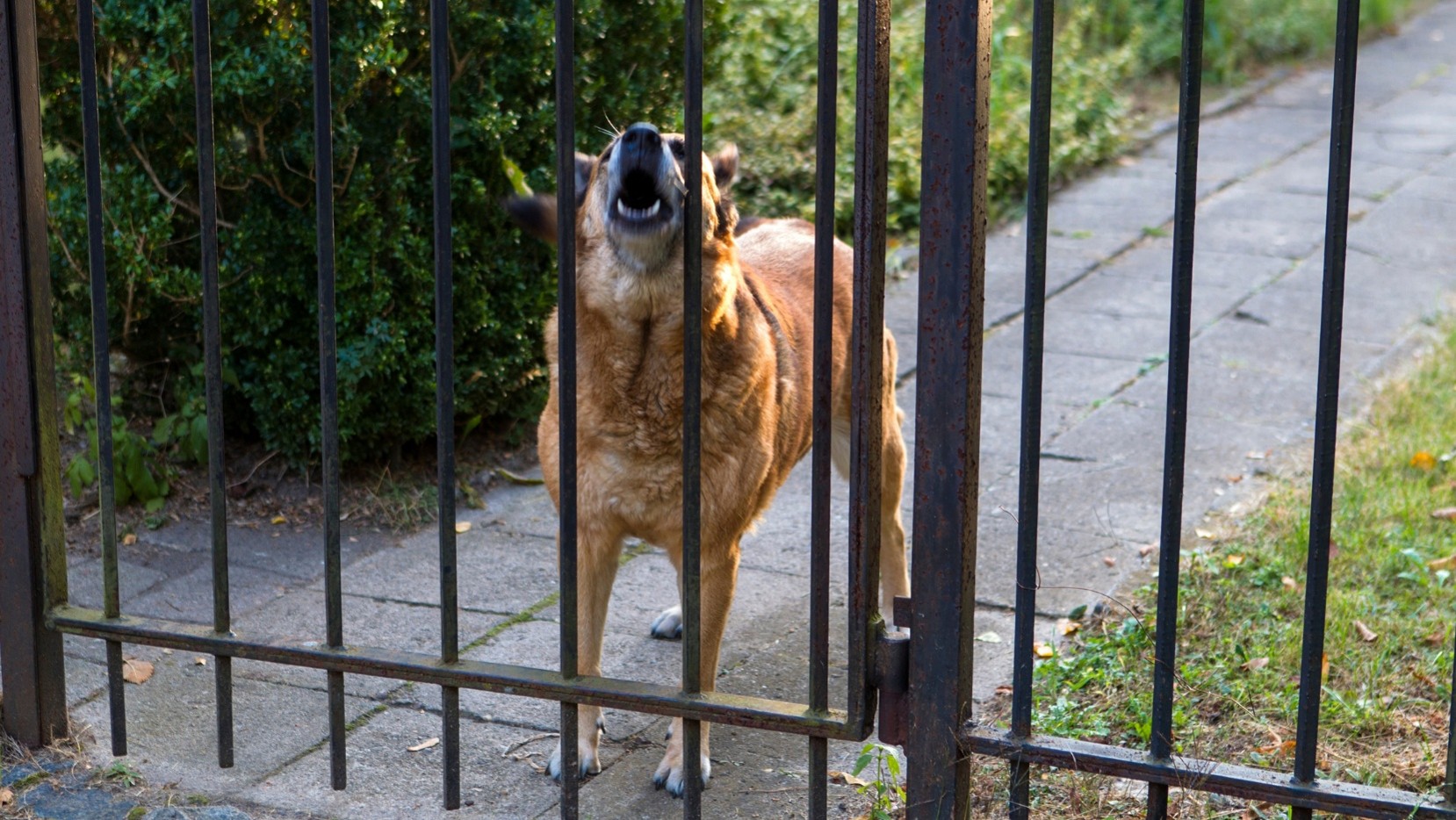
The Quick Answer: The best fence for a dog depends on the dog, the yard, and the way the family uses the space. Height matters, but so do gaps, gate hardware, digging habits, visibility, and the distance between the fence and anything a dog can climb.
Start With the Job the Fence Must Do
A fence can mark a boundary, add privacy, guide traffic, contain pets, improve security, or make an outdoor area feel more finished. Most projects need more than one of those things. Before selecting a style, rank the goals honestly. A pet fence installer in Gardner can then shape the layout around the property instead of trying to make one standard package fit every yard.
Look Closely at the Property
Good planning includes the dog’s size, age, energy level, jumping ability, digging habits, reaction to people or animals, and time spent outside. Walk the proposed line at different times of day and notice how people, animals, vehicles, water, and neighboring spaces move around it. A custom residential fence company in Gardner should ask about these details before the final design is priced. Small choices made on paper can become daily annoyances once the fence is standing.
Compare Materials by Performance
Common options include wood privacy, vinyl privacy, ornamental metal, chain link, and carefully planned combinations. Each has a different balance of privacy, strength, appearance, upkeep, and cost. Y’all, the cheapest material on installation day is not automatically the best value for the years ahead. A pet fence installer in Gardner should explain how the material behaves in the actual setting and what routine care it needs.
Plan the Gates Before the Fence Line
Gate planning deserves more attention than it usually gets. Think about lawn equipment, trash bins, deliveries, trailers, strollers, guests, and emergency access. A gate must have enough clear space to swing or slide without fighting the slope. An experienced Residential Fence Company in Gardner will also consider latch height, hinge strength, post support, and the route people naturally take.
Account for Grade Drainage and Soil
A drawing can look simple while the ground tells a different story. Slopes, low areas, tree roots, rock, and drainage paths affect post placement and the space beneath the fence. Water should not be trapped against structures or redirected toward a neighbor. A reliable custom fencing company in Gardner will discuss how the installation follows grade and where special construction may be needed.
Avoid the Most Common Planning Mistakes
Frequent mistakes include gaps beneath the fence, loose pickets, climbable rails, weak latches, and gates that swing over uneven ground. Another common problem is deciding on height before checking rules or measuring how the fence will look from patios and windows. A pet fence installer in Gardner helps turn broad preferences into specific measurements, materials, and hardware. That detail protects the finished project from last minute compromises.
Confirm Boundaries Rules and Utilities
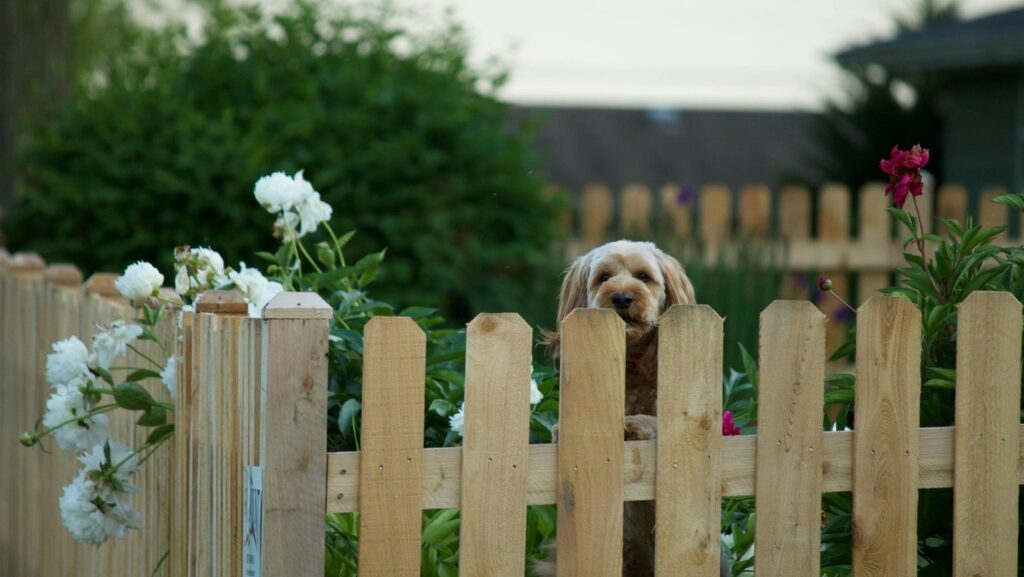
The fence location should be based on dependable property information, not a worn mowing line or an old assumption. Local permit rules, easements, utilities, drainage areas, and association requirements may affect the plan. The homeowner or property owner should know who is responsible for each check. A residential fence contractor in Gardner can explain the normal installation process, but legal boundary questions may require a survey professional.
Ask What Is Included in the Price
A useful proposal describes the fence length, height, material, posts, gates, hardware, removal, cleanup, and any known site conditions. It should also state how changes are handled. When two bids look far apart, compare the scopes line by line. One may omit work that another includes. A transparent pet fence installer in Gardner makes the comparison much easier.
Think About Maintenance From the Beginning
Every fence needs some attention. Wood may need cleaning and protective finishing. Gates need hardware checks. Vegetation should be kept from holding moisture or pushing on the fence. Even low maintenance materials benefit from occasional washing and inspection after storms. A knowledgeable fence contractor in Gardner should give realistic care expectations instead of promising that a fence will never need attention.
Plan for the Next Several Years
A fence often stays in place while the property changes around it. Think about future pets, children, vehicles, landscaping, patios, sheds, pools, or business equipment before finalizing the line. Leaving the right access now can prevent expensive alterations later. It is also wise to consider how replacement boards, panels, and hardware can be matched if repairs are needed years from now.
Why Local Installation Experience Helps
Properties around Gardner and Spring Hill can include newer subdivisions, established neighborhoods, open lots, business sites, and changing grades. The right construction details depend on the exact location. Wildcat Fence plans fences around how the property is used and what the owner wants the finished space to accomplish. That practical approach is the real value of working with a pet fence installer in Gardner.
Questions Worth Asking Before Work Begins
Ask where the exact fence line will run, how corners and slopes will be handled, what the gate openings measure, and which hardware is included. Ask about the anticipated schedule, weather delays, cleanup, warranties, and the process for unexpected site conditions. Clear answers now prevent fuzzy expectations later. Keep the final drawing and proposal with your home or property records.
Frequently Asked Questions
How Early Should Fence Planning Begin?
Start early enough to confirm the layout, property information, rules, material availability, and access before a preferred installation window. Rushing those decisions creates avoidable changes.
Should Every Side Use the Same Material?
Not necessarily. A thoughtful design may use privacy where screening matters and a more open style where views or visibility matter. The transitions should still look intentional.
Can an Existing Fence Line Be Reused?
Sometimes, but do not assume the old fence marks the legal boundary or that its posts and footings suit the new design. The line and existing conditions should be evaluated.
What Makes One Estimate More Useful Than Another?
The strongest estimate defines the work clearly. Material specifications, measurements, gate details, removal, site assumptions, responsibilities, and warranty terms make the price meaningful and easier to compare.

At Wildcat Fence Company, building your fence shouldn’t feel like a chore. There are no confusing options or surprise pricing. We’re a local, family-run team that listens to your needs.
From pet enclosures to repairs, we’ve got you covered. We build it right, on budget, and promise quality work that lasts. Need help or want a free estimate? Call us at 816-699-7586 or head to our Contact Us page to reach out. We’ll take care of the rest so you can get back to enjoying your yard.